• Link to Facebook
  • Link to LinkedIn
  • 636.475.4222
  • Contact
Kodiak Equipment Services
  • Commercial Services
    • Loading Dock Equipment
      • Dock Bumpers
      • Dock Levelers
      • Vehicle Restraints
    • Dock Seals and Shelters
    • Doors
      • Cold Storage Doors
      • Door Operators
      • Bug Screen Doors
      • High-Performance Rolling Doors
      • Sectional
      • Rolling Steel
    • Gates
      • Gate Sales / Types
      • Gate Maintenance
    • Safety & Security
      • High-Security Barriers
    • Cranes/Hoists
    • Weird Stuff
      • Concrete Work
      • Welding / Fabrication
      • Used Equipment
      • Warehouse Solutions
  • Maintenance
    • Weatherseal
    • Preventative Maintenance
    • Fire Drop Testing
    • Warranty Repair
  • Resources
    • Blog
    • Testimonials
  • About
    • Leadership Team
    • Partners And Vendors
    • Areas We Serve
    • Careers
  • Contact
  • Menu Menu

Loading Dock Safety: Best Practices for Preventing Accidents and Injuries

Accidents and injuries on loading docks can lead to severe consequences, including financial losses, legal liabilities, and most importantly, harm to employees. To get these risks under control, you need to implement comprehensive safety protocols. This blog will outline essential dock safety tips for preventing accidents and injuries, focusing on proper training, clear communication, and the use of loading dock safety equipment.

Comprehensive Training Programs

One of the most effective ways to prevent accidents is to train all your operators thoroughly. Comprehensive training programs should cover the following:

  • Equipment Operation: Operators must be well-versed in controlling dock levelers, forklifts, and other loading equipment. This includes understanding the mechanical functions, safety features, and proper usage techniques.
  • Warehouse Dock Safety Protocols: Training should emphasize the importance of adhering to safety protocols, such as wearing personal protective equipment (PPE) and following correct loading and unloading procedures.
  • Emergency Procedures: Operators need to know how to respond in case of an emergency, such as equipment malfunction or an injury on the dock. This includes knowledge of first aid, emergency exits, and communication channels.

Regular Refresher Courses

Safety training should not be a one-time event. Regular refresher courses are essential to keep safety practices fresh in all employees’ minds and update them on any new procedures or equipment.

Hands-On Training

Proper performance requires in-person and hands-on training. Employees should be able to practice using equipment under supervision before operating independently.

Clear Communication Procedures

Good communication is key for any organization anywhere. This is especially true for warehouses and facilities, where accident and injury is a very real reality for any process step. We recommend the following:

Establish Communication Channels

Establish clear communication channels to ensure that all team members are aware of ongoing operations and any potential hazards. This includes:

  • Two-Way Radios: Equip operators with two-way radios for instant communication.
  • Signage: Use clear signage to indicate loading zones, pedestrian walkways, and potential hazards.
  • Hand Signals: Implement standardized hand signals for situations where verbal communication is difficult.

Pre-Shift Meetings

Conducting pre-shift meetings helps everyone be on the same page. During these meetings, discuss the day’s tasks, highlight any specific safety concerns, and review the equipment status.

Incident Reporting

Encourage a culture of transparency where employees feel comfortable reporting any safety concerns or incidents. Accurate reporting can help address issues before they escalate and provide valuable insights for improving safety protocols.

Use of Safety Equipment

One of the easiest ways to prevent any concerns at your warehouse is to provide all safety equipment possible.

Personal Protective Equipment (PPE)

Providing and enforcing the use of PPE is a fundamental aspect of loading dock safety. Essential PPE includes:

  • High-Visibility Vests: So workers are easily seen by operators.
  • Steel-Toe Boots: To protect feet from heavy objects.
  • Gloves: To safeguard hands from cuts and abrasions.
  • Hard Hats: To protect against head injuries.

Safety Barriers and Gates

Installing safety barriers and gates can prevent accidents by clearly delineating work areas and protecting pedestrians from moving equipment. These barriers can include:

  • Dock Gates: To prevent falls from elevated docks.
  • Bollards: To protect equipment and structures from vehicle impact.
  • Loading Dock Fall Protection: Implementing safety nets to catch falling objects and prevent injuries.

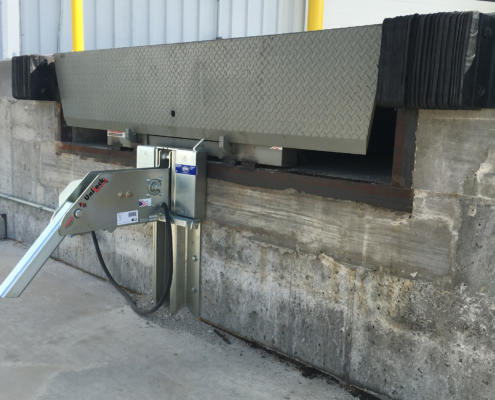
Dock Leveler Safety Features

Modern dock levelers come with various safety features designed to prevent accidents. They need to be equipped with:

  • Toe Guards: To protect against foot injuries.
  • Emergency Stop Buttons: For immediate cessation of operations in case of an emergency.
  • Automatic Return to Safe Position: Ensure the dock leveler returns to a safe position when not in use.

Regular Maintenance and Inspections

Avoid docks and components breaking down before disaster strikes. Your key is consistent maintenance:

Scheduled Maintenance

Establish a maintenance schedule for all equipment, including dock levelers, forklifts, and safety barriers. This should include:

  • Routine Inspections: Conduct daily checks to identify any wear and tear or potential hazards.
  • Professional Servicing: Schedule regular servicing by qualified technicians to ensure all equipment is in optimal working condition.

Quick Repairs

Any identified issues should be addressed immediately. Delaying repairs can lead to equipment failure and increase the risk of accidents. Implement a system for reporting and tracking repairs.

Accurate Documentation

Maintain detailed records of all maintenance and inspections. This documentation can help track equipment conditions, identify recurring issues, and provide evidence of compliance with safety regulations.

Source safe and efficient loading dock equipment and parts from the experts at Kodiak.

Our Loading Dock Range

Safe Loading and Unloading Practices

Warehouses and facilities need loading areas to operate as efficiently as possible. Potential accidents will immediately cause delays. Avoid that risk through the following:

Loading Securing

Properly securing loads is essential to prevent shifting during transport, which can lead to accidents. Best practices for load securing include:

  • Using Restraints: Employ straps, chains, and other restraints to secure loads.
  • Even Distribution: Ensure loads are evenly distributed to maintain balance.
  • Weight Limits: Adhere to weight limits for both the dock levelers and the transporting vehicles.

Vehicle Restraints

Vehicle restraints can prevent trucks from moving during loading and unloading. Implement the use of:

  • Wheel Chocks: To block the wheels of trucks and trailers.
  • Dock Locks: To secure the trailer to the dock.

Clear Pathways

Keep loading dock areas clear of obstructions. This includes removing debris and organizing tools and equipment so pathways are wide enough for the safe movement of forklifts and other vehicles.

Implementing Safety Protocols

Preventing accidents or injuries begins with your team building out detailed protocols:

Standard Operating Procedures (SOPs)

Develop standard operating procedures for all loading dock activities. SOPs should include step-by-step instructions for tasks such as operating dock levelers, securing loads, and conducting safety inspections.

Safety Audits

Conduct regular safety audits to identify potential hazards for compliance with safety protocols. Trained safety professionals should perform audits and include a thorough review of all aspects of loading dock operations.

Safety Committees

Establish a safety committee composed of representatives from various departments. This committee can oversee the implementation of safety protocols, review incident reports, and make recommendations for improvements.

Emergency Response Tactics

Disasters can happen at any moment. Be prepared through the following:

Emergency Response Plan

Develop an emergency response plan that outlines procedures for different types of emergencies, such as fires, equipment failures, and medical incidents. The plan should include:

  • Evacuation Routes: Clearly marked and unobstructed pathways for safe evacuation.
  • Emergency Contacts: A list of emergency contacts, including first responders and internal safety personnel.
  • First Aid Stations: Accessible first aid stations equipped with necessary supplies.

Drills and Training

Conduct emergency drills regularly so all employees are familiar with the emergency response plan. These drills should cover scenarios such as fire evacuations, medical emergencies, and equipment malfunctions.

First Aid Training

Provide first aid training to employees so they can respond effectively to injuries. This training should cover basic first aid techniques, CPR, and the use of automated external defibrillators (AEDs).

Encouraging a Safety Culture

Beyond implementing measures for protocols and providing safety equipment, one huge way you can avoid accidents is simply by motivating your operators to be conscientious.

Leadership Commitment

Leadership must demonstrate a commitment to safety by prioritizing it in all aspects of operations. This includes allocating resources for safety equipment, training, and maintenance.

Employee Involvement

Engage employees in safety initiatives by encouraging them to participate in safety committees, report hazards, and suggest improvements. Employee involvement fosters a sense of ownership and accountability for safety.

Recognition and Rewards

Recognize and reward employees who demonstrate a commitment to safety. This can include safety awards, incentives for reporting hazards, and acknowledgment of safe practices in team meetings.

Maintain a Safe Working Environment With Kodiak’s Loading Dock Safety Equipment

Keep a safe working environment with Kodiak’s loading dock safety equipment. We offer quality solutions to protect your team and ensure efficient operations, prioritizing safety and reliability in every product we provide. Reach out to get in touch with our experts today.
Share This Post

  • Share on Facebook
  • Share on X
  • Share on WhatsApp
  • Share on Pinterest
  • Share on LinkedIn
  • Share on Tumblr
  • Share on Vk
  • Share on Reddit
  • Share by Mail

More Like This

Heavy-duty roll-up door used for industrial and commercial access.

Traditional Doors vs. High-Speed Doors: Why the Upgrade Is Worth It

Industrial dock doors at Kodiak Equipment Services facility.

The Financial Benefits of Investing in Truck Restraints

Loading dock with safety barriers and equipment at Kodiak Equipment Services.

Ensuring Longevity and Reliability: Maintenance Tips for Truck Restraints at Loading Docks 

Industrial dock leveler for efficient loading at Kodiak Equipment Services.

Best Practices for Installing and Using Vehicle Restraint Systems on Docks

High-speed industrial roll-up door with blue vinyl curtain for warehouse and facility access.

How Storage Doors Improve Cold Energy Efficiency

High-quality industrial roll-up door for commercial facilities at Kodiak Equipment Services.

Top Features to Look for When Choosing a Cold Storage Room Door

Commercial garage door installation and repair by Kodiak Equipment Services.

Cold Storage Doors vs. Standard: The Key Differences

Poweramp concrete vibrator for construction and industrial use. Ensures efficient concrete compactio.

4 Best Practices for Installing and Using Restraining Devices for Your Dock

Dock leveler for loading dock safety and efficiency.

How Vehicle Restraints Enhance Dock Safety

Previous Previous Previous Next Next Next

Categories

  • Dock Seals and Shelters
  • Doors
  • Loading Dock Equipment
  • Safety and Security

Contact Us

"*" indicates required fields

Kodiak Equipment Services logo featuring company name and emblem.

Company

About

Team

Testimonials

Careers

Solutions

Loading Dock Equipment

Preventative Maintenance

Weird Stuff

Dock Seals and Shelters

Contact

1603 Engle Creek Road, Barnhart
St. Louis, MO 63012

636-475-4222

sales-service@kodiakequipmentinc.com

Website by Abstrakt Marketing Group ©
  • Sitemap
  • Privacy Policy
Link to: A Guide To Choosing the Right Loading Dock Leveler for Your Building Link to: A Guide To Choosing the Right Loading Dock Leveler for Your Building A Guide To Choosing the Right Loading Dock Leveler for Your BuildingHeavy-duty industrial lift platform for construction sites. Link to: A Complete Guide to the Different Types of Dock Trailer Restraints Link to: A Complete Guide to the Different Types of Dock Trailer Restraints Industrial oil and gas equipment maintenance and repair services at Kodiak Equipment Inc.A Complete Guide to the Different Types of Dock Trailer Restraints
Scroll to top Scroll to top Scroll to top