• Link to Facebook
  • Link to LinkedIn
  • 636.475.4222
  • Contact
Kodiak Equipment Services
  • Commercial Services
    • Loading Dock Equipment
      • St. Louis
      • Dock Bumpers
      • Dock Levelers
      • Vehicle Restraints
    • Dock Seals and Shelters
    • Doors
      • St. Louis
      • Cold Storage Doors
      • Door Operators
      • Bug Screen Doors
      • High-Performance Rolling Doors
      • Sectional
      • Rolling Steel
    • Gates
      • Gate Sales / Types
      • Gate Maintenance
    • Safety & Security
      • High-Security Barriers
    • Cranes/Hoists
    • Weird Stuff
      • Concrete Work
      • Welding / Fabrication
      • Used Equipment
      • Warehouse Solutions
  • Maintenance
    • Weatherseal
    • Preventative Maintenance
    • Fire Drop Testing
    • Warranty Repair
  • Resources
    • Blog
    • Testimonials
  • About
    • Leadership Team
    • Partners And Vendors
    • Areas We Serve
    • Careers
  • Contact
  • Menu Menu

4 Best Practices for Installing and Using Restraining Devices for Your Dock

With the right truck restraints and some savvy best practices, you can keep your dock running smoothly and safely. Let’s dive into the top tips for installing and using restraining devices to ensure your operations are safe and sound.

What Are Vehicle Truck Restrains For?

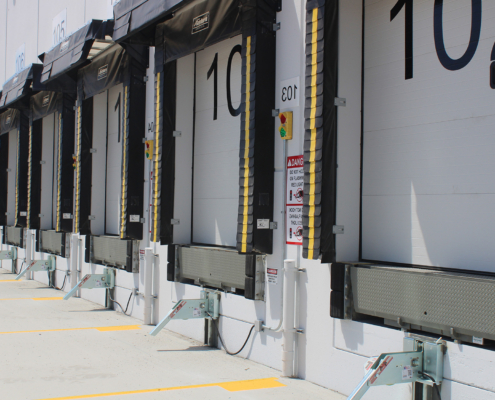
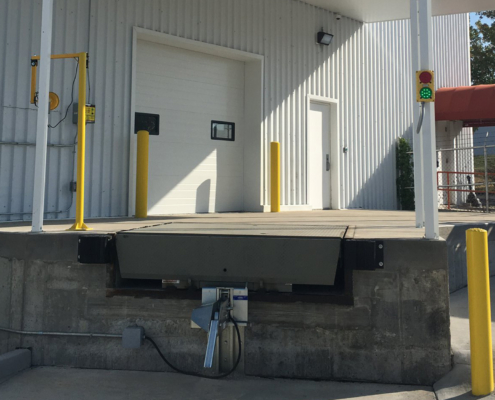
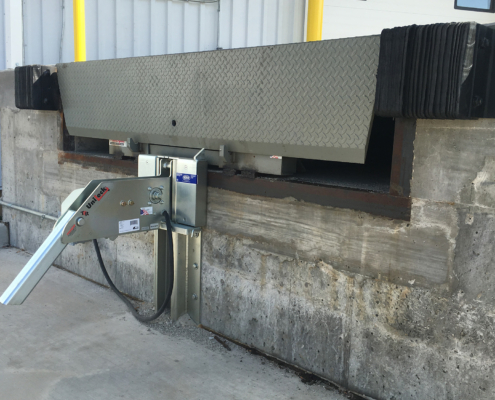
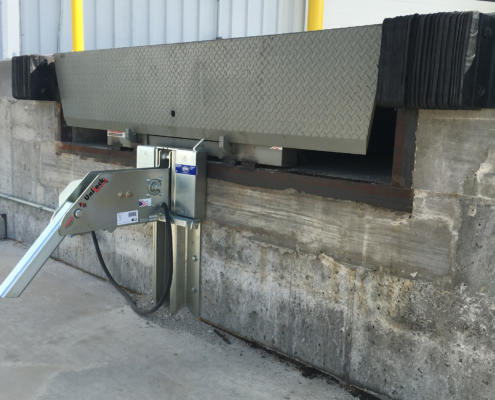
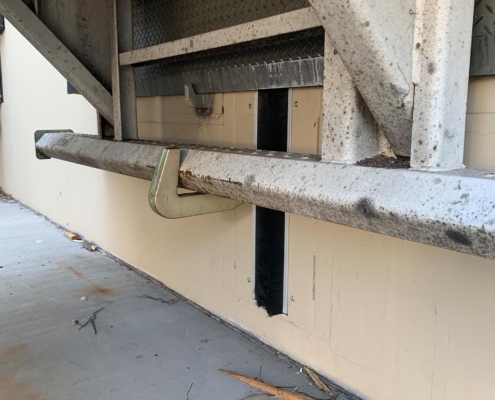
Truck restraints are essential safety devices used at loading docks to secure trucks and trailers in place during the material handling process. They prevent trailers from moving away from the dock unexpectedly, which can lead to accidents, injuries, and damage to goods and equipment. By locking the trailer’s rear impact guard (RIG) or wheels to the dock, these restraints ensure stability and safety, creating a secure environment for workers to operate in.

These devices come in various types, including mechanical, electric, and hydraulic models, each with its own set of features and benefits. Understanding their importance and how to use them correctly is vital for maintaining a safe and efficient loading dock operation.

Ensure Dock Safety and Efficiency With Kodiak

Kodiak’s loading dock equipment is built to the highest standards, ensuring durability, reliability, and superior performance. By choosing American-made restraints, you support local manufacturing while benefiting from top-notch safety solutions. Learn more about our restraining devices below.

Explore Truck Restraints

4 Best Practices for Using and Maintaining Your Truck Restraint

Once your truck restraints are properly installed, it’s essential to use and maintain them correctly to ensure long-term effectiveness. Here are four best practices for using and maintaining your truck restraint:

Best Practice #1: Perform Regular Inspections

Regular inspection of your truck restraints is critical for identifying potential issues before they become serious problems. Check for signs of wear and tear, such as cracks, corrosion, or loose parts. Ensure that the restraint engages and releases smoothly and that all warning systems (lights, alarms) function correctly. Regular inspections help maintain the safety and reliability of your dock operations.

Best Practice #2: Conduct Operator Training

Proper operator training is key to the effective use of truck restraints. Ensure that all dock workers understand how to operate the restraints correctly, including how to engage and disengage them safely. Training should cover recognizing and responding to warning signals and knowing what to do if the restraint fails to engage correctly. Well-trained operators are essential for maintaining safety and efficiency at your dock.

Best Practice #3: Develop a Maintenance Routine

Routine maintenance maximizes the longevity and performance of your truck restraints. Develop a maintenance schedule that includes regular cleaning, lubrication, and inspection of all moving parts. Replace worn or damaged components promptly to prevent failures. Keeping a maintenance log can help track the condition of your restraints and ensure that all necessary upkeep is performed on time.

Best Practice #4: Address Issues Promptly

When issues with your truck restraints arise, it’s important to address them immediately. Delaying repairs can lead to further damage and increased safety risks. Establish a protocol for reporting and fixing problems as soon as they are detected. Quick action ensures that your restraints remain reliable and effective, safeguarding your dock operations.

Common Mistakes You Need to Avoid

Avoiding common mistakes is just as important as following best practices. Here are some frequent errors to watch out for:

  • Overlooking Manufacturer’s Instructions: Not following the installation and usage guidelines provided by the manufacturer can lead to improper functioning and increased safety risks. Always follow these instructions to ensure your restraints are installed and used correctly.
  • Neglecting Regular Maintenance: Failing to perform routine maintenance can shorten the lifespan of your restraints and compromise safety. Regular inspections and upkeep are essential to keep your restraints in optimal condition and prevent unexpected failures.
  • Improper Training: Inadequate training of operators can result in incorrect use of restraints, leading to accidents and inefficiencies. Ensure all personnel are thoroughly trained in the correct procedures for operating and maintaining the restraints.
  • Ignoring Warning Signs: Dismissing early warning signs of malfunction, such as unusual noises or visible wear, can lead to more severe problems and costly repairs. Address issues promptly to maintain the effectiveness and safety of your restraints.

Additional Tips for Maximizing Your Truck Restraint Effectiveness

To get the most out of your truck restraint, consider these additional tips:

Use the Right Type of Restraint for Your Needs: Ensure that the restraints you use are appropriate for the types of vehicles and loads your dock handles. Different operations require different restraint capabilities, so choose the ones that best fit your specific requirements.

Integrating with Dock Management Systems: Connecting your restraints to a dock management system can enhance coordination and safety. This integration allows for better monitoring and control, ensuring that all aspects of the loading and unloading process are synchronized for maximum efficiency.

Stay Updated with Technology: Stay informed about the latest advancements in restraint technology to ensure your dock is equipped with the most effective and reliable systems. Regularly upgrading equipment and investing in additional tools like dock bumpers and dock levelers can improve safety and operational efficiency.
Install American-Made Truck Restraints With Kodiak

Reach out to Kodiak today to learn more about our American-made truck restraint solutions. Whether you’re interested in restraining devices or additional loading dock equipment, our team is here to help.

Don’t compromise on safety—contact us now to enhance your dock’s security and efficiency.

Share This Post

  • Share on Facebook
  • Share on X
  • Share on WhatsApp
  • Share on Pinterest
  • Share on LinkedIn
  • Share on Tumblr
  • Share on Vk
  • Share on Reddit
  • Share by Mail

More Like This

Heavy-duty roll-up door used for industrial and commercial access.

Traditional Doors vs. High-Speed Doors: Why the Upgrade Is Worth It

Industrial dock doors at Kodiak Equipment Services facility.

The Financial Benefits of Investing in Truck Restraints

Loading dock with safety barriers and equipment at Kodiak Equipment Services.

Ensuring Longevity and Reliability: Maintenance Tips for Truck Restraints at Loading Docks 

Industrial dock leveler for efficient loading at Kodiak Equipment Services.

Best Practices for Installing and Using Vehicle Restraint Systems on Docks

High-speed industrial roll-up door with blue vinyl curtain for warehouse and facility access.

How Storage Doors Improve Cold Energy Efficiency

High-quality industrial roll-up door for commercial facilities at Kodiak Equipment Services.

Top Features to Look for When Choosing a Cold Storage Room Door

Commercial garage door installation and repair by Kodiak Equipment Services.

Cold Storage Doors vs. Standard: The Key Differences

Dock leveler for loading dock safety and efficiency.

How Vehicle Restraints Enhance Dock Safety

Industrial oil and gas equipment maintenance and repair services at Kodiak Equipment Inc.

A Complete Guide to the Different Types of Dock Trailer Restraints

Previous Previous Previous Next Next Next

Categories

  • Dock Seals and Shelters
  • Doors
  • Loading Dock Equipment
  • Safety and Security

Contact Us

"*" indicates required fields

Kodiak Equipment Services logo featuring company name and emblem.

Company

About

Team

Testimonials

Careers

Solutions

Loading Dock Equipment

Preventative Maintenance

Weird Stuff

Dock Seals and Shelters

Contact

1603 Engle Creek Road, Barnhart
St. Louis, MO 63012

636-475-4222

sales-service@kodiakequipmentinc.com

Website by Abstrakt Marketing Group ©
  • Sitemap
  • Privacy Policy
Link to: How Vehicle Restraints Enhance Dock Safety Link to: How Vehicle Restraints Enhance Dock Safety How Vehicle Restraints Enhance Dock SafetyDock leveler for loading dock safety and efficiency. Link to: Dock Shelters vs. Dock Seals: Which Is Right for Your Facility Link to: Dock Shelters vs. Dock Seals: Which Is Right for Your Facility Four loading docks with dock levelers at Kodiak Equipment Services facility.Dock Shelters vs. Dock Seals: Which Is Right for Your Facility
Scroll to top Scroll to top Scroll to top